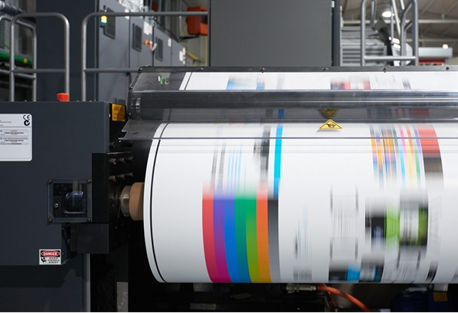
The focus is on real use cases rather than isolated technologies — from brand communication and experience-driven applications to data-driven print products and solutions for packaging and e-commerce. “The highlight projects show how technologies are transformed into concrete applications. They make visible the role print plays today in marketing, communication, and production,” explains Rüdiger Maaß, Managing Director of the Fachverband Medienproduktion e.V. (FMP).
From Braille to racing simulator: print becomes tangible and inclusive
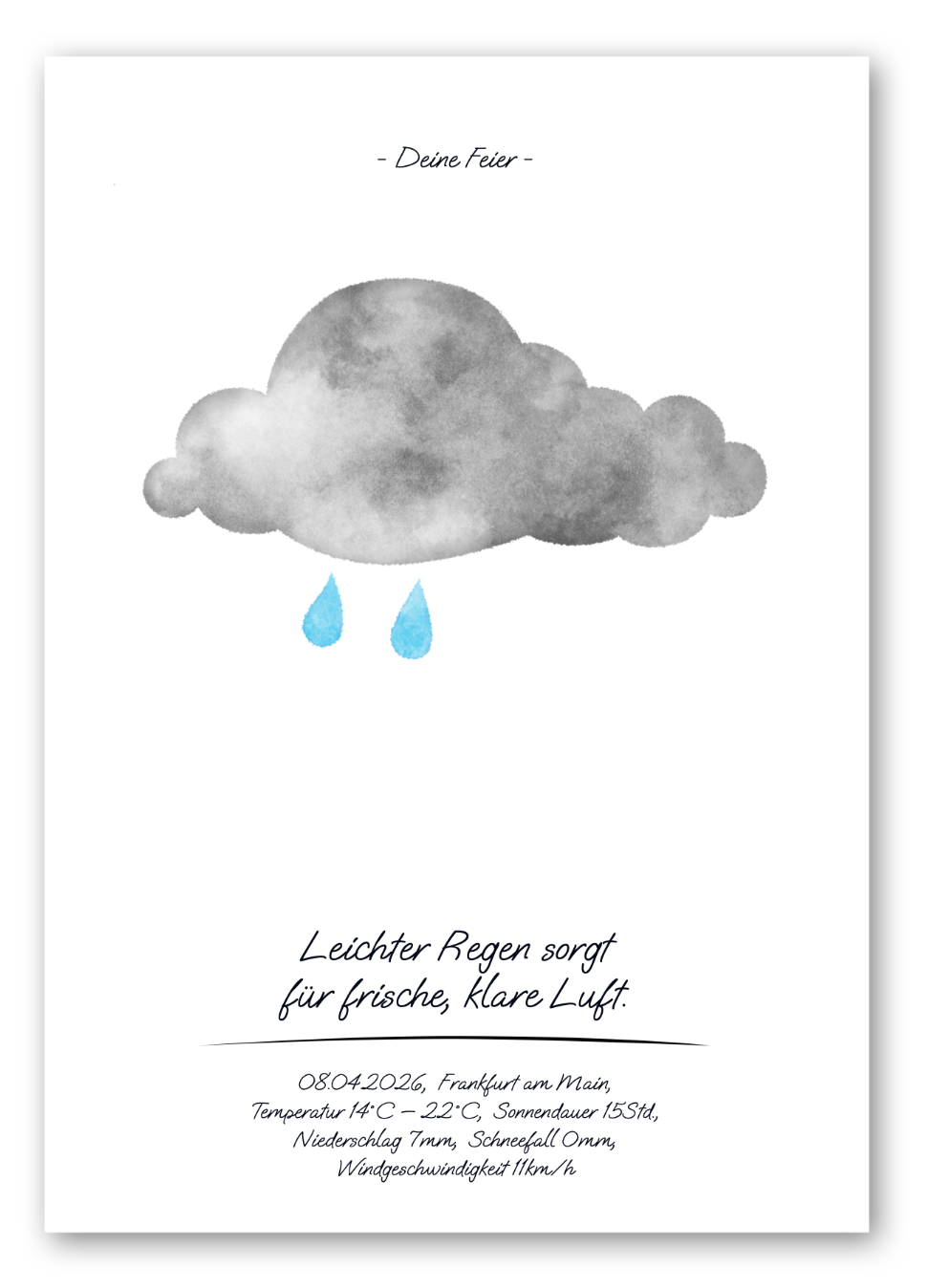
The projects of the WE.LOVE.PRINT initiative demonstrate how versatile print can be used — from social impact to interactive experience formats. The affirmation cards deliberately focus on an emotional approach: they bring positive messages into everyday life and have a more lasting effect thanks to their physical presence compared to digital stimuli. Particularly noteworthy is the implementation in Braille, which is applied using screen printing. This makes content not only visible but also tangible, providing immediate access for people with visual impairments.
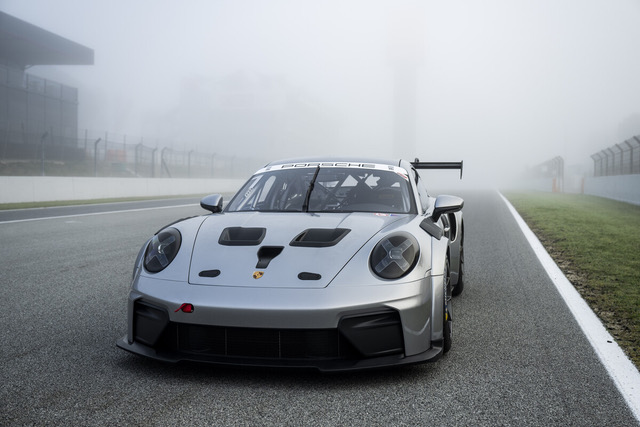
A different approach is taken by the project “WE.LOVE.PRINT – SPEED,” which transforms print into an interactive experience. At its core are a race car from the Porsche Carrera Cup and a racing simulator that allows visitors to actively participate. The area is designed in a motorsport style and is complemented by matching print applications, including large-scale displays and limited, partly signed posters. Access is provided digitally via QR codes, creating an interplay between physical staging, digital interaction, and print.
Intelligent labels: when packaging becomes a digital interface
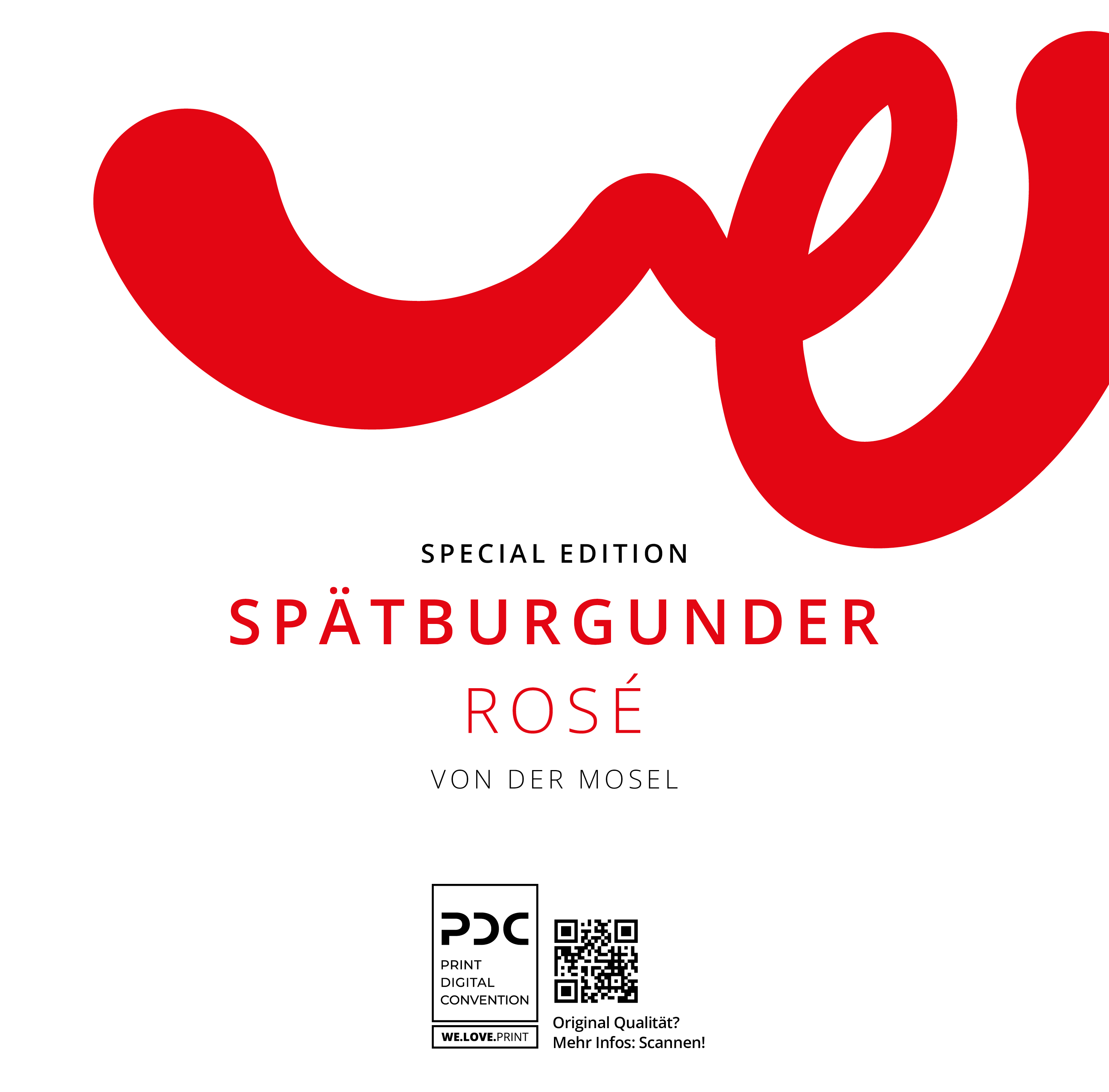
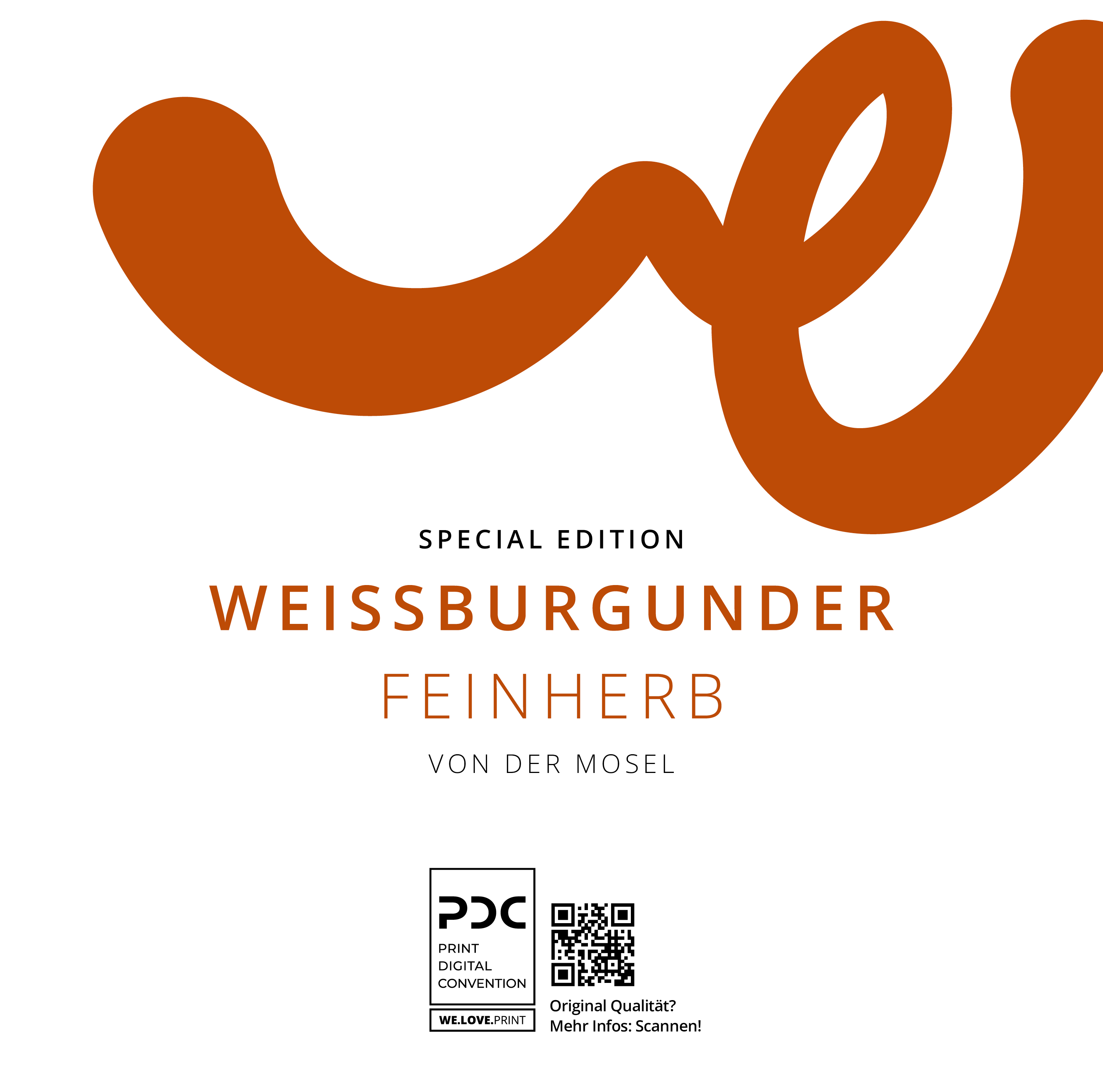 Another highlight project focuses on the role of packaging and labels at the intersection of brand impact and regulatory requirements. Using a specially developed wine and sparkling wine edition as an example, it demonstrates how finishing, design, and digital functions interact. Information on ingredients, origin, and sustainability can be accessed directly via QR codes. At the same time, current requirements from EU regulations are taken into account, such as ingredient labeling, as well as future developments like the Digital Product Passport. Packaging thus becomes both a branding tool and a carrier of information.
Print provides guidance and makes brands interactive
 With the organic juice producer Voelkel, the PDC has gained a brand partner with whom a bottle tag has been developed that uses screen-print finishing with thermosensitive ink to indicate when the optimal drinking temperature has been reached. This shows that print is not only used as a design element but also takes on a specific functional role in the application. The screen-print finishing is carried out by Kreye Siebdruck GmbH.
The convention journal: print as a functional companion
A key element of the PDC is the convention journal, which accompanies visitors throughout the event. It serves as the “workbook” for PDC participants, providing information on the highlight projects, the conference program, and additional on-site details.
Further information on the highlight projects can be found at:
https://www.printdigitalconvention.de/en/highlight-projekte/
The PRINT DIGITAL CONVENTION will take place from June 16 to 17, 2026, in Düsseldorf and is organized by the Fachverband Medienproduktion (FMP) in partnership with Messe Düsseldorf and drupa.
More information is continuously published at
https://www.printdigitalconvention.de/en/
.